
Cleanroom processing can protect products from airborne particles, fibers, moisture, fingerprints, and other contaminants that may compromise quality or performance. However, not every product—or every manufacturing step—needs to take place in a controlled environment.
You may need ISO 7 processing when your product specifications, customer requirements, risk assessment, or applicable regulations and standards call for that level of particle control.
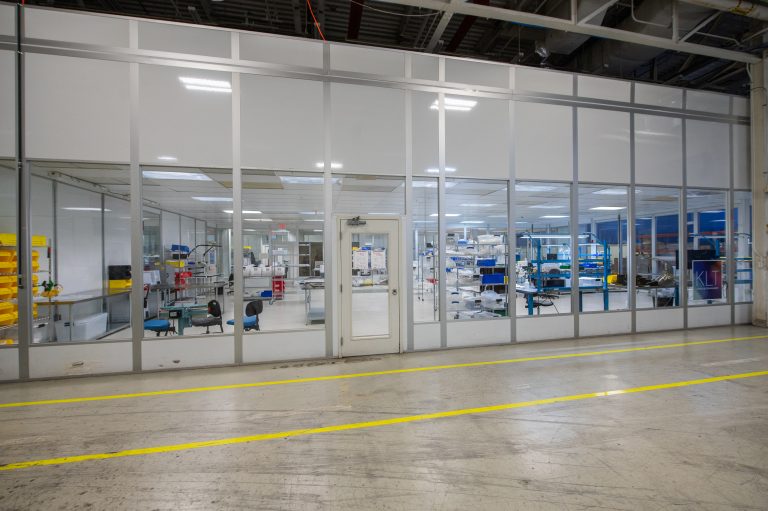
What Is an ISO 7 Cleanroom?
A Class 7 Cleanroom, as defined by ISO 14644-1 standards, allows no more than 352,000 particles per cubic meter, each measuring 0.5 microns or larger. This moderate level of particle control is ideal for manufacturing processes where maintaining cleanliness is essential but does not require the extreme sterility of higher-grade clean rooms.
Want to learn more? Check out our other blogs on Cleanrooms here.
1. Does Your Product Require Cleanroom Processing?
Start by reviewing your customer specifications, regulatory requirements, contamination risks, downstream use, and packaging needs.
Certain products and processes within the following industries commonly benefit from or require cleanroom processing:
- Medical devices
- Pharmaceuticals
- Electronics
- Aerospace
- Cosmetics
- Food and specialty packaging
The need for a cleanroom depends on the product and its intended use—not simply the industry in which it is manufactured. Even small amounts of contamination can affect the reliability, safety, or performance of sensitive products. A particle could interfere with an aerospace or electronic component, while residue on a medical device could create a serious quality concern.
Packaging may also require controlled handling, especially when it protects food, medical products, or contamination-sensitive components. The appropriate cleanliness level should be based on the product’s specifications, applicable standards, customer expectations, and intended use.
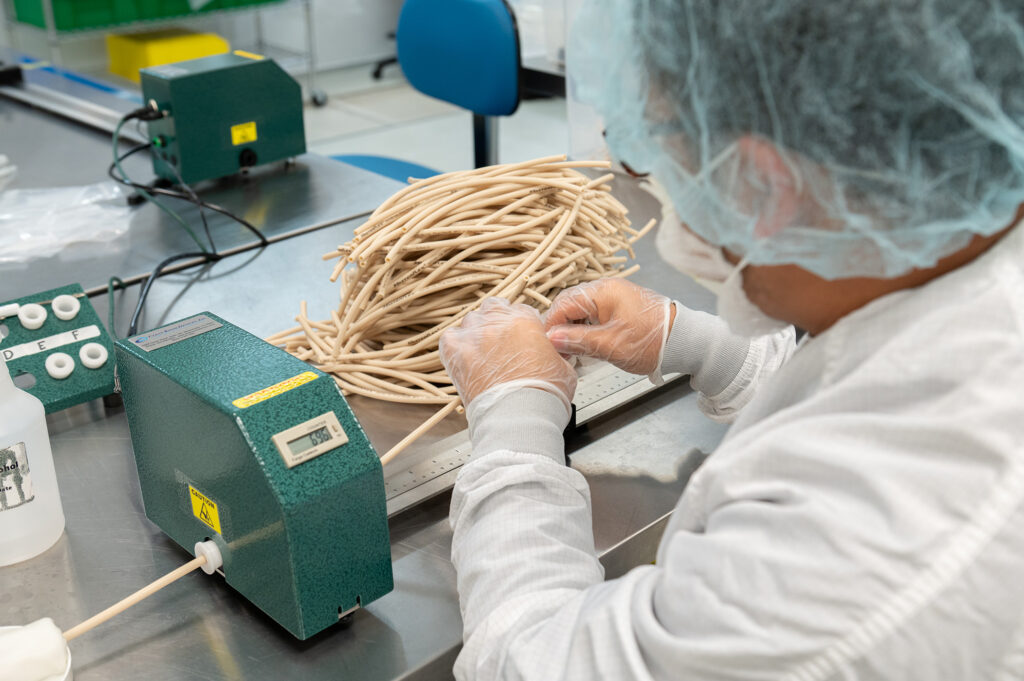
2. Which Processes Should Take Place in the Cleanroom?
Once you have established that cleanroom processing is necessary, determine which steps must occur within the controlled environment. These may include:
- Cleaning
- Inspection
- Kitting
- Assembly
- Packaging
Cleaning methods vary by product and may include Type II deionized water, ultrasonic cleaning, or another approved process.
Inspection is equally important. Contamination can remain after cleaning or be introduced during handling. Depending on the product and its requirements, white-light or blacklight inspection may be used to identify residual films, fibers, moisture, fingerprints, and other contaminants.
Kitting, assembly, and packaging done within the cleanroom maintains the cleanliness of product throughout every step of the process. In doing so, manufacturers reduce the risk of recontamination and improve the quality of every component of a product.
3. What Should You Look for in an ISO 7 Cleanroom Partner?
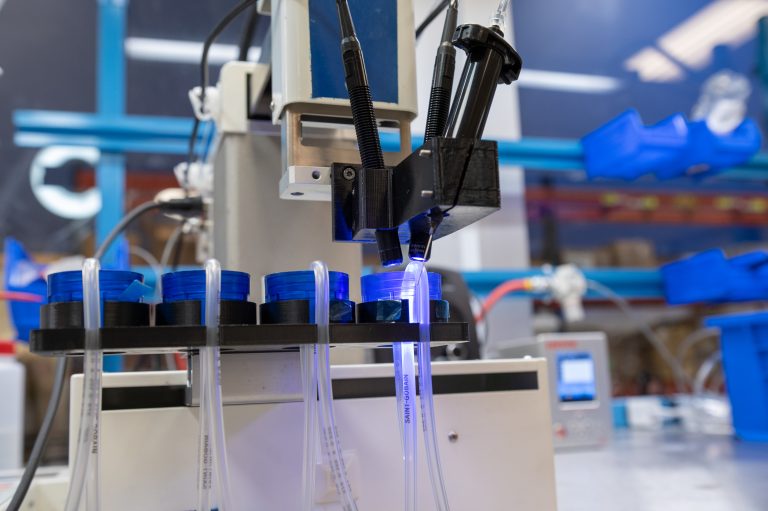
ArcWorks operates three ISO 7 cleanrooms that support multiple processes within a controlled environment. Cleaning, inspection, assembly, kitting, and packaging can be completed under one roof.
Keeping these processes with one provider can reduce transportation, supplier handoffs, production queues, and repeated material handling. Fewer transfers also mean fewer opportunities for products to be recontaminated. Together, these efficiencies can improve consistency and shorten overall manufacturing lead times.
Establishing the workflow early also helps prevent unnecessary delays. Before production begins, confirm:
- The applicable cleanliness and inspection criteria
- Approved cleaning methods
- Required assembly and kitting activities
- Packaging specifications
- Documentation and traceability requirements
- Production volumes and delivery schedules
The key question is not simply whether your product needs a cleanroom. It is which processes require controlled handling and what documentation is needed to demonstrate that the requirements have been met.
ArcWorks brings consistency, compliance readiness, and efficiency to your supply chain. Quality checks and inspection are done at regular intervals throughout the cleaning and assembly processes, resulting in your products maintaining the highest standards of purity and safety.
Contact us today to discuss your product requirements and schedule a facility tour.
ArcWorks has maintained perfect scores on ISO 9001:2015 certification.