
Every day on the ArcWorks manufacturing floor, our team helps turn individual components into products and packages ready for their next destination. Two processes that make this possible are kitting and assembly.
While these services often work together, each serves a different purpose. Kitting brings the right items together in one organized bundle. Assembly connects components to create a finished product or a completed portion of one.
Understanding the difference can help businesses identify the support they need to simplify production, prepare orders, and keep projects moving.
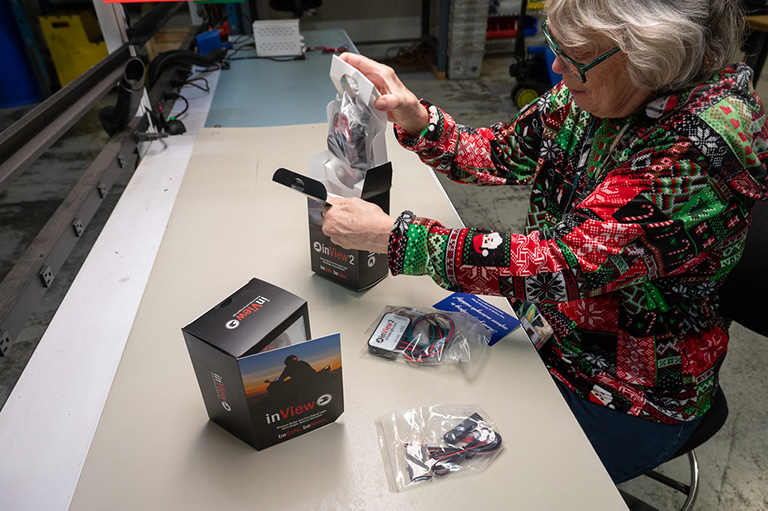
What is Kitting?
Kitting is the process of grouping multiple parts, products, or stock-keeping units (SKUs) into one ready-to-use bundle that moves through production or fulfillment as a single unit. By gathering items in advance, kitting can reduce repeated picking, improve accuracy, and keep work moving efficiently.
Explore the ArcWorks blog for more about kitting.
What is Assembly?
Assembly is the process of physically joining parts to create a complete or partially completed product. Depending on the project, that might mean attaching a lid, fitting components together, or building a subassembly that will become part of a larger product.
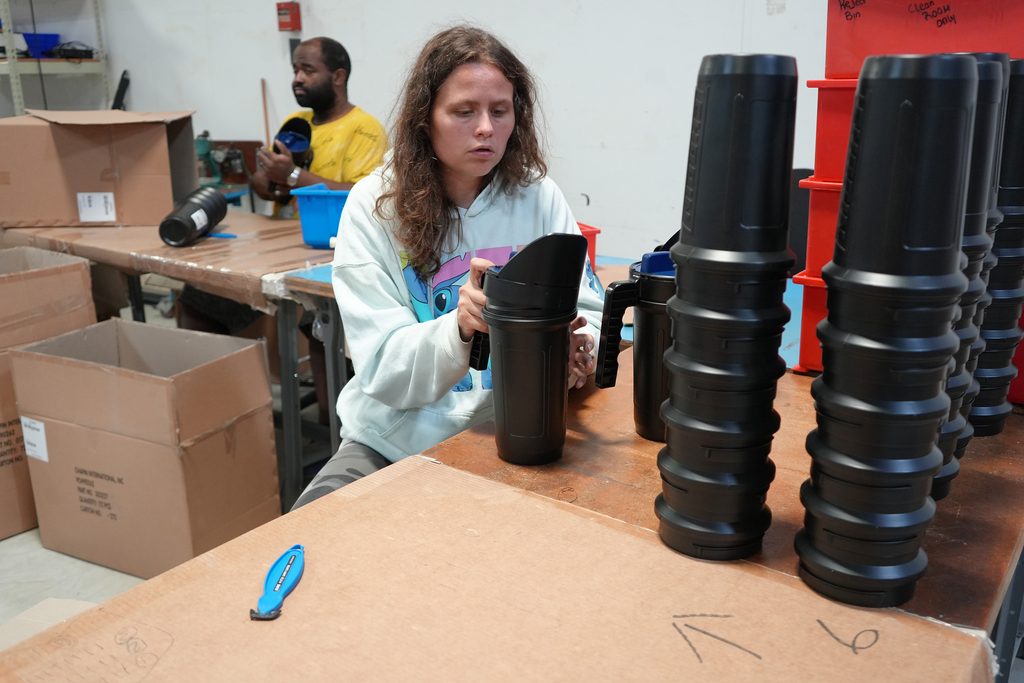
At ArcWorks, one example is our work with Chapin International’s Salt Shakers. Our staff takes the bottle and adds the lid before packaging the bottles for shipment to retailers.
Screwing the lid onto the bottle is the assembly step: two separate components become one assembled product. Packaging those completed bottles prepares them for the next stage of their journey.
Even a straightforward assembly task requires attention to detail. Components must fit correctly, and the finished product must meet the customer requirements before moving forward.
How Kitting and Assembly Work Together
Some projects require only kitting. Others require only assembly. Many benefit from both.
For example, a hypothetical product kit might include an assembled item, several accessories, and an instruction sheet. The workflow could involve:
- Assembly: Connect the components that form the main product.
- Inspection: Check the assembled product against the project’s requirements.
- Kitting: Group the product with the correct accessories and instructions.
- Packaging: Prepare the complete kit for storage, distribution, or delivery.
Each step has a distinct purpose. Assembly creates the product, while kitting ensures the intended items are together.
Planning these steps as one coordinated workflow can help reduce unnecessary handling and make it easier to identify missing or incorrect components before an order moves forward., manufacturers reduce the risk of recontamination and improve the quality of every component of a product.
Choosing the Right Support for Your Project
To determine whether your business needs kitting, assembly, or both, start with the outcome you need.
Are you bringing separate items together so they are ready for use or fulfillment? That is a kitting need. Are you connecting parts to build a product? That is an assembly need. Does your project involve both? A coordinated approach can help carry it from individual components to a complete, packaged unit.
At ArcWorks, we work with customers to understand those needs and provide kitting, assembly, and packaging support that fits the project.
Have a project in mind? Contact ArcWorks today at sales@arcmonroe.org or (585) 698-1320 to discuss your components, packaging requirements, and production goals.